Introduction
Hypothyroidism is a common health condition that affects many people worldwide. In this condition, the thyroid gland does not make enough hormones. These hormones help control your body’s energy and metabolism. Because of this, hypothyroidism can cause many symptoms. Early detection and treatment are important for good health. In this blog, you will learn about hypothyroidism symptoms, causes, diagnosis, and treatment options.
What is Hypothyroidism?
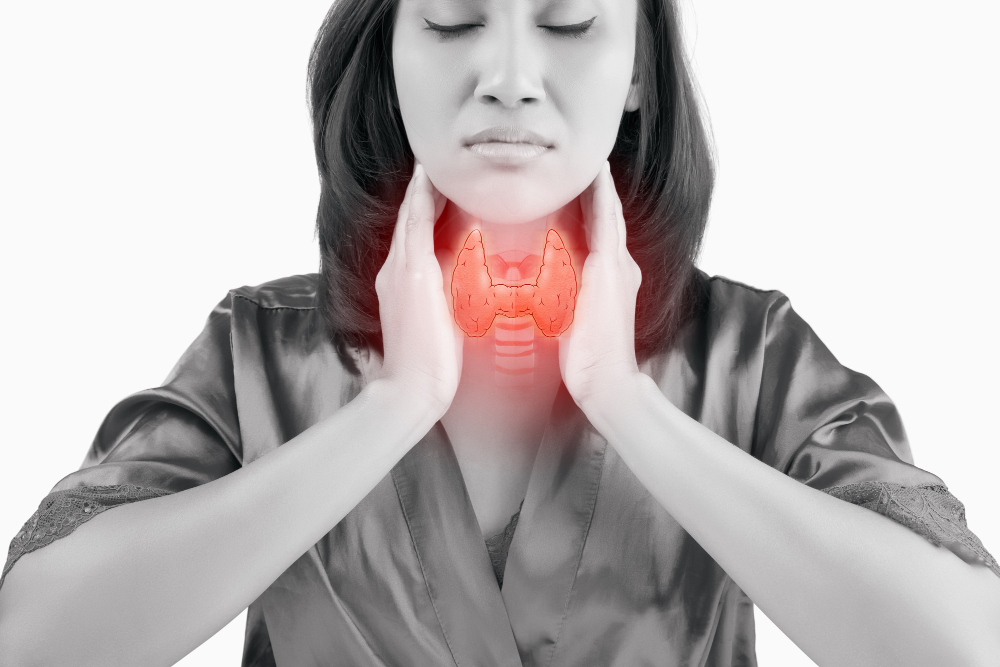
The thyroid is a small gland in your neck. It makes hormones that help your body use energy. When the thyroid does not make enough hormones, it is called hypothyroidism. As a result, your body slows down. This can affect how you feel and how your body works every day. Although hypothyroidism is common, it can be managed with the right care.
Symptoms of Hypothyroidism
Many people with hypothyroidism may not notice symptoms at first. However, as the condition worsens, symptoms become clearer. For example, you may feel tired or gain weight. Below are some common signs:
Sometimes, symptoms are mild and easy to miss. But over time, they can affect your daily life. Therefore, it is important to watch for these signs.
Causes of Hypothyroidism
There are several causes of hypothyroidism. The most common cause is an autoimmune disease called Hashimoto’s thyroiditis. In this condition, the body’s immune system attacks the thyroid gland. Other causes include:
Some people are at higher risk. For instance, women, people over 60, and those with a family history of thyroid disease are more likely to develop hypothyroidism. Because of these risk factors, regular check-ups are helpful.
Diagnosis of Hypothyroidism
Doctors use simple blood tests to diagnose hypothyroidism. These tests measure the levels of thyroid hormones (T4) and thyroid-stimulating hormone (TSH). Usually, a high TSH and low T4 mean you have hypothyroidism. Sometimes, doctors may check for thyroid antibodies to find the cause. Early diagnosis helps prevent complications. Therefore, if you notice symptoms, talk to your doctor about testing.
Treatment Options for Hypothyroidism
The main treatment for hypothyroidism is daily medicine. This medicine is called levothyroxine. It replaces the missing thyroid hormone in your body. Most people need to take this medicine for life. However, with the right dose, you can feel normal again. Your doctor will check your hormone levels often and adjust your dose if needed. In most cases, symptoms improve within a few weeks of starting treatment.
Lifestyle and Prevention Tips
While medicine is key, healthy habits can also help manage hypothyroidism. Here are some tips:
Although you cannot always prevent hypothyroidism, early detection and healthy choices can reduce problems. For example, knowing your family history helps you stay alert for symptoms.
Conclusion
In summary, hypothyroidism is a common but manageable condition. It can cause tiredness, weight gain, and other symptoms. Causes include autoimmune disease, surgery, and certain medicines. Diagnosis is simple with blood tests. Treatment for hypothyroidism is safe and effective. With medicine and healthy habits, most people lead normal lives. If you have symptoms or concerns, consult a specialist for personalized guidance.