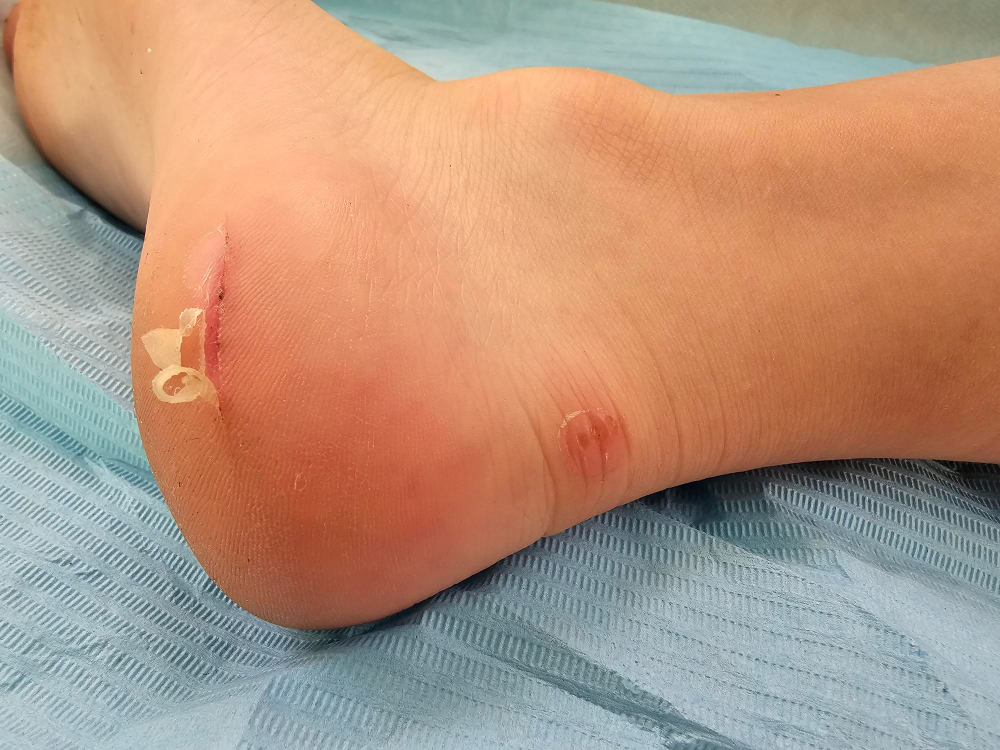
What Is Diabetic Wound Healing?
Diabetic wound healing is the process your body uses to repair skin injuries when you have diabetes. People with diabetes often get wounds that heal slowly. Because of this, special care is needed. Early treatment is important for diabetic wound care. Without it, wounds may get worse or lead to serious problems.
Why Are Wounds Slow to Heal in Diabetes?
Many people wonder why wounds heal slowly in diabetes. There are several reasons for this. First, high blood sugar can damage blood vessels. As a result, less blood reaches the wound. This slows down healing. Second, diabetes can cause nerve damage. Because of this, you may not feel pain or notice small cuts. Third, your immune system may not work as well. So, infections are more likely and harder to fight.
Dangers of Delayed Wound Healing in Diabetics
Delaying care for diabetic wounds can be dangerous. For example, small cuts can turn into large sores. If left untreated, these wounds may become infected. Infections can spread quickly. Sometimes, they reach the bone or bloodstream. In severe cases, this can lead to amputation or even life-threatening illness. According to the CDC, foot ulcers are a leading cause of hospital stays for people with diabetes. Therefore, quick action is key to avoid serious risks of delayed wound healing in diabetes.
Warning Signs to Watch For
It is important to watch for signs that a wound is not healing. Early detection helps prevent problems. Look for these warning signs:
If you notice any of these, seek medical help right away.
How to Promote Faster Healing
There are steps you can take to help wounds heal faster. First, keep your blood sugar under control. This helps your body repair itself. Next, clean wounds gently with mild soap and water. Cover them with a clean bandage. Change the bandage daily. In addition, avoid walking barefoot to prevent new injuries. For better results, follow these tips on how to heal diabetic wounds faster:
Prevention Tips for Diabetic Wounds
Preventing wounds is the best way to stay healthy. Here are some simple steps you can take:
By following these tips, you can lower your risk of wounds and infections.
When to See a Doctor
Sometimes, home care is not enough. If a wound does not heal after a few days, or if you see signs of infection, contact your doctor. In addition, seek help if you have pain, swelling, or fever. Early treatment can prevent serious problems. Remember, diabetic wound care is best managed with a healthcare team. They can offer advice on how to heal diabetic wounds faster and keep you safe.
Conclusion
In summary, diabetic wound healing needs quick and careful attention. Delays can lead to serious health risks. Always check your skin, follow prevention tips, and act fast if you see warning signs. Consult a healthcare specialist promptly if you notice slow-healing wounds.