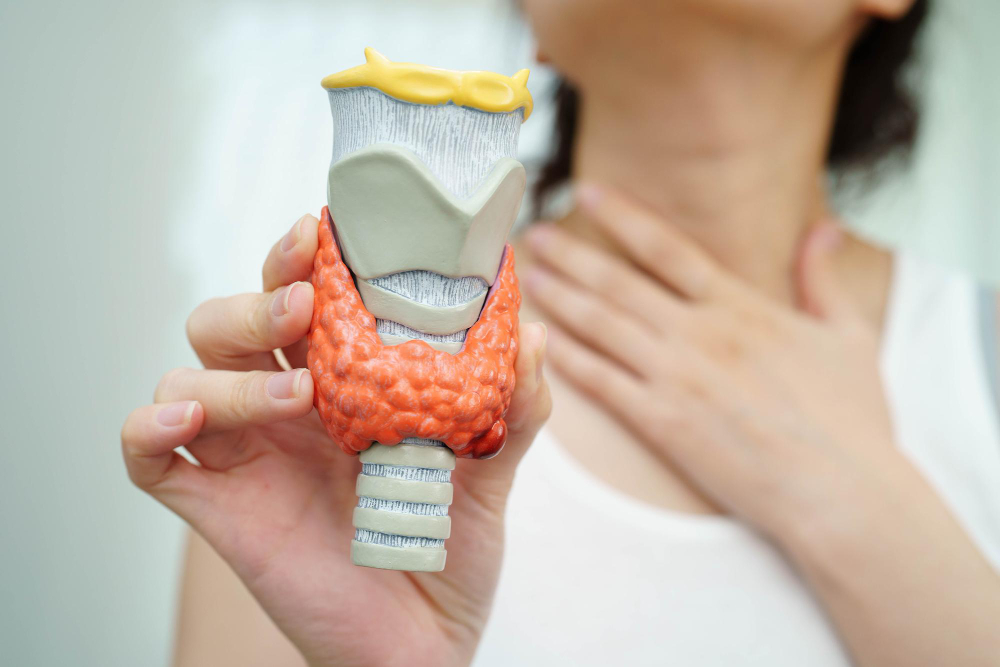
What Is Hyperthyroidism?
Hyperthyroidism happens when your thyroid gland makes too much thyroid hormone. The thyroid is a small, butterfly-shaped gland in your neck. Because of this hormone overload, your body speeds up. As a result, you may feel nervous, lose weight, or notice a fast heartbeat. Many people call this condition an “overactive thyroid.” According to the World Health Organization, thyroid problems affect millions worldwide. But with the right care, most people manage hyperthyroidism well.
Common Symptoms of Hyperthyroidism
Hyperthyroidism can cause many signs. However, not everyone has all symptoms. Early signs may be mild, but they often get worse over time. Watch for these common symptoms:
Sometimes, eye problems like bulging eyes can also occur, especially in Graves’ disease. If you notice these signs of thyroid problems, it is important to seek help.
Causes and Risk Factors
Several things can cause hyperthyroidism. The most common cause is Graves’ disease, an autoimmune disorder. In this condition, your immune system attacks the thyroid, making it overactive. Other causes include:
Some people are more likely to develop hyperthyroidism. For example, women are more at risk than men. Also, having a family history of thyroid disease increases your chances. Smoking and certain health conditions can also raise your risk.
How Hyperthyroidism Is Diagnosed
If your doctor suspects hyperthyroidism, they will ask about your symptoms and medical history. Next, they will do a physical exam. Often, they check your neck for swelling or lumps. To confirm the diagnosis, doctors use blood tests. These tests measure thyroid hormone levels (T3 and T4) and thyroid-stimulating hormone (TSH). Sometimes, doctors order a thyroid scan or ultrasound. These tests help find the cause of your overactive thyroid symptoms. According to the CDC, early diagnosis leads to better outcomes.
Treatment Options for Hyperthyroidism
There are several hyperthyroidism treatment options. The best choice depends on your age, health, and the cause of your condition. Common treatments include:
Your doctor will explain the risks and benefits of each option. With proper treatment, most people feel better within weeks.
Lifestyle Tips and Self-Care
Along with medical treatment, healthy habits can help you manage hyperthyroidism. For example, you can:
Because stress can make symptoms worse, try to rest and sleep well. Staying informed about your condition also helps you feel more in control.
Preventing Hyperthyroidism
In many cases, you cannot prevent hyperthyroidism. However, you can lower your risk by:
Although not all causes are preventable, early detection helps you avoid serious problems.
When to See a Doctor
If you notice signs of thyroid problems, do not wait. For example, sudden weight loss, a fast heartbeat, or swelling in your neck are warning signs. Also, if you feel very anxious or weak, seek help. Early treatment can prevent complications. If you have questions about your thyroid health, talk to a healthcare specialist.
If you notice symptoms of hyperthyroidism, consult a healthcare specialist for personalized advice.