Introduction
Hypoglycemia, also called low blood sugar, is a serious health issue. Many people with diabetes face this problem, but it often goes unnoticed. Although it can be dangerous, hypoglycemia is the most neglected complication in diabetes care. Early recognition and proper management are key to staying safe. In this blog, you will learn about hypoglycemia, its symptoms, causes, and how to prevent it.
What is Hypoglycemia?
Hypoglycemia means your blood sugar drops below normal levels. For most people, this means a blood sugar level below 70 mg/dL. When this happens, your body does not have enough energy to work well. People with diabetes are at higher risk, especially if they take insulin or certain diabetes medicines. However, anyone can experience low blood sugar under certain conditions.
Common Symptoms of Low Blood Sugar
Recognizing the signs of hypoglycemia is important. Early symptoms can be mild, but they may become severe if not treated quickly. For example, you might feel shaky or sweaty. Below are common symptoms to watch for:
Sometimes, symptoms can appear quickly. Therefore, it is important to act fast if you notice any of these signs.
Causes and Risk Factors
There are several reasons why blood sugar can drop too low. Most often, it happens in people with diabetes who use insulin or certain pills. However, other factors can also play a role. Here are some common causes and risk factors:
Because many things can cause hypoglycemia, it is important to know your own risk factors.
How Hypoglycemia is Diagnosed
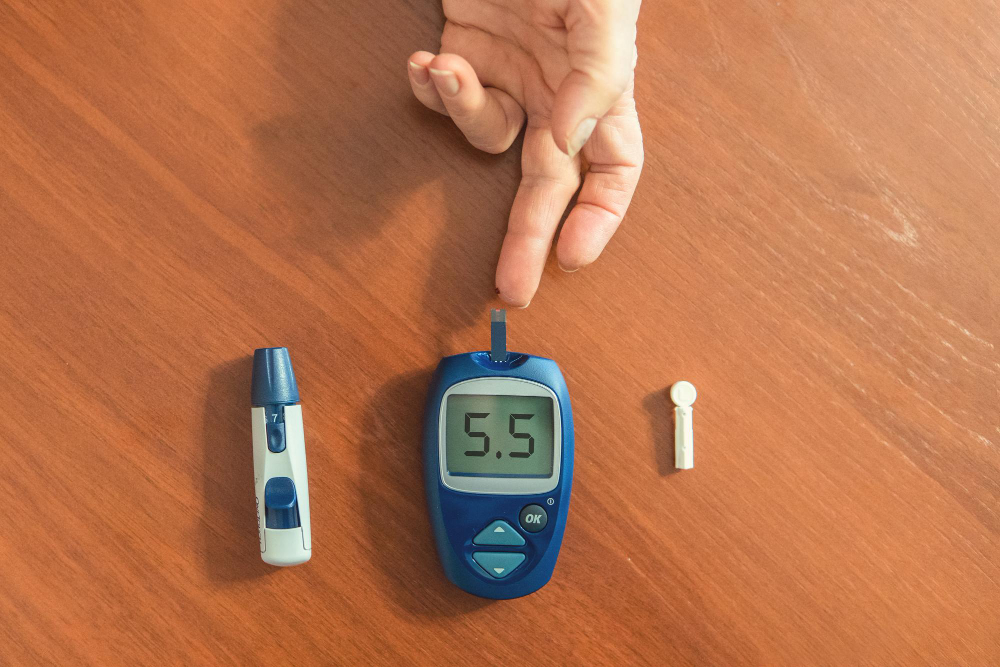
Doctors diagnose hypoglycemia by checking your blood sugar levels. Usually, a simple finger-prick test is enough. If your blood sugar is below 70 mg/dL and you have symptoms, you likely have hypoglycemia. Sometimes, doctors may ask you to keep a record of your symptoms and blood sugar readings. In rare cases, more tests may be needed to find the cause.
Effective Treatment Options
Quick treatment is important for low blood sugar. If you notice symptoms, act right away. For instance, you can:
After your blood sugar returns to normal, eat a small snack if your next meal is more than an hour away. In severe cases, someone may need to give you a glucagon injection. Always follow your doctor’s advice for treatment.
Prevention Tips and Lifestyle Guidance
Preventing hypoglycemia is possible with a few simple steps. For example, you can:
Because prevention is easier than treatment, these habits can help you stay safe every day.
Why Hypoglycemia is Often Overlooked
Many people do not realize how common low blood sugar is. Sometimes, symptoms are mild or mistaken for other problems. In addition, people may not want to talk about it out of fear or embarrassment. Healthcare providers may also focus more on high blood sugar. As a result, hypoglycemia is often neglected. However, ignoring it can lead to serious health risks, including accidents, falls, or even loss of consciousness. Therefore, it is important to pay attention to low blood sugar and talk openly with your doctor.
Conclusion
In summary, hypoglycemia is a serious but often neglected complication of diabetes. Knowing the symptoms, causes, and ways to prevent it can help you stay healthy. If you have diabetes or are at risk, stay alert for signs of low blood sugar. Consult a healthcare specialist for personalized advice on managing low blood sugar.
Sources: Centers for Disease Control and Prevention (CDC), World Health Organization (WHO), American Diabetes Association (ADA)