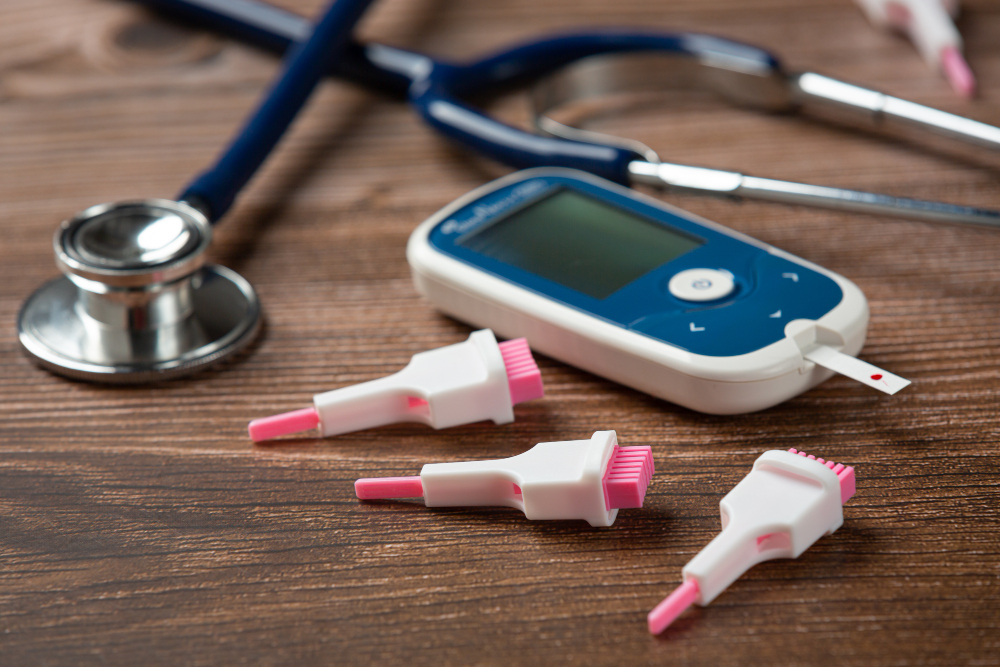
Introduction to Insulin Pumps
An insulin pump is a small device that helps people with diabetes manage their blood sugar. It delivers insulin to the body throughout the day. Many people use an insulin pump because it can make diabetes management easier. For those who need regular insulin, this device can be a helpful tool. In fact, insulin pumps are becoming more common for diabetes care. If you want to learn about insulin pump benefits, how it works, and safety tips, this guide is for you.
How Does an Insulin Pump Work?
Insulin pumps are worn outside the body. Usually, you attach the pump to your belt or clothing. A thin tube connects the pump to a small needle placed under your skin. The pump sends insulin through this tube. It gives small amounts of insulin all day and extra doses when you eat. This helps keep your blood sugar steady. Because the pump can be programmed, it matches your body’s needs more closely than shots.
Benefits of Using an Insulin Pump
There are many insulin pump benefits for people with diabetes. For example, it can offer more freedom and better blood sugar control. Here are some key advantages:
Additionally, some people find it easier to manage their diabetes with a pump.
Who Can Use an Insulin Pump?
Not everyone with diabetes needs an insulin pump. However, it can help people who:
Still, your doctor will help decide if a pump is right for you. Children, teens, and adults can all use insulin pumps if needed.
Steps for Starting Insulin Pump Therapy
Starting insulin pump therapy involves several steps. First, your doctor will check if you are a good candidate. Next, you will get training on how to use the pump. Here is a simple outline:
After you start, regular follow-ups help ensure safe and effective use.
Tips for Safe and Effective Use
Using an insulin pump safely is very important. Therefore, follow these tips:
With these steps, you can reduce the risk of problems and enjoy better diabetes management.
Common Challenges and Troubleshooting
Sometimes, insulin pump users face challenges. For example, the pump may stop working or the site may get irritated. Here are some common issues and solutions:
If you have trouble, contact your diabetes care team right away.
Prevention of Complications
To prevent complications, always use your insulin pump as directed. For instance, change the infusion set on time and watch for signs of infection. Also, keep extra supplies handy in case of emergencies. If you notice redness, swelling, or pain at the site, seek help. Regular check-ups with your doctor can catch problems early. By staying alert, you can avoid most complications.
Frequently Asked Questions
Conclusion
In summary, an insulin pump can help many people manage diabetes more easily. However, safe use and regular monitoring are key. For more information or to see if an insulin pump is right for you, consult a diabetologist or endocrinologist for personalized advice on insulin pump therapy.